
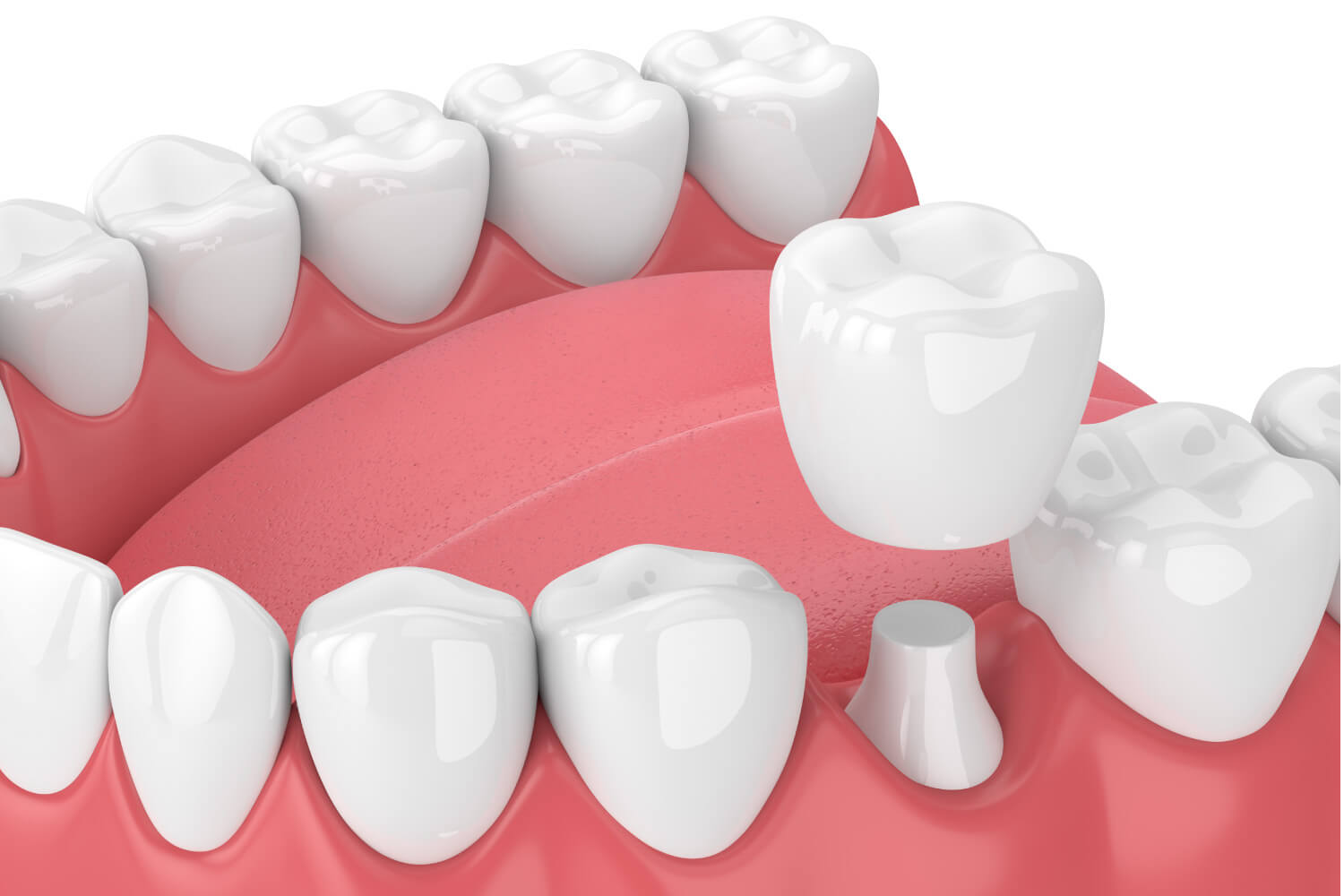
What to Do for a Lost Dental Crown
November 30, 2021 5:49 am | |A dental crown is designed to restore and protect a damaged tooth, helping to improve both function and appearance. Crowns are durable and can last for many years with proper care, but they are not indestructible. Occasionally, a crown may become loose, crack, or fall out unexpectedly. While losing a dental crown can be alarming, knowing what steps to take can help protect your tooth and prevent further complications until you can see your Wolcott dentist.
Quick Summary
- Stay calm if your dental crown falls out.
- Locate and safely store the crown if possible.
- Examine the affected tooth for damage or discomfort.
- Contact your dental practice promptly for advice.
- Maintain good oral hygiene around the exposed tooth.
- Avoid sticky, hard, and temperature-sensitive foods until treatment.
- Seek urgent dental care if you experience pain or injury.
Why Do Dental Crowns Fall Out?
Dental crowns are designed to fit securely over a prepared tooth, but several factors can cause them to become loose or detach. Over time, the cement holding the crown in place can weaken. Tooth decay beneath the crown, trauma to the mouth, teeth grinding, or biting down on hard foods can also contribute to crown failure. Although a lost crown is not always a dental emergency, it should be addressed as soon as possible to prevent damage to the underlying tooth.
Step 1: Locate the Crown
If your crown has fallen out, try to find it straight away. In some cases, an undamaged crown can be cleaned and re-cemented by your dentist, saving the need for a replacement. Once located, gently rinse the crown with clean water and store it in a safe container. Avoid attempting to glue it back into place yourself, as household adhesives can damage both the crown and your tooth.
If the crown cannot be found or has broken into pieces, your dentist can assess the situation and determine whether a new crown is required.
Step 2: Check the Affected Tooth
After the crown comes off, carefully inspect the area. Look for any visible damage to the exposed tooth and note whether you are experiencing discomfort, sensitivity, or pain.
Signs You May Need Urgent Care- Severe tooth pain
- Swelling around the affected tooth
- Bleeding or injury to surrounding tissues
- Sharp or jagged edges that could cut your tongue or cheek
- A crown that is partially detached and causing discomfort
Step 3: Contact Your Dental Practice
Even if you are not in pain, it is important to contact your Wolcott dental team as soon as possible. An exposed tooth is more vulnerable to bacteria, decay, and further damage. Your dentist will discuss your symptoms, determine the urgency of the situation, and arrange an appointment. Depending on the condition of the crown and tooth, they may be able to reattach the existing crown or recommend a replacement.
Step 4: Keep the Area Clean
Without the protection of a crown, the underlying tooth can become more susceptible to plaque accumulation and bacterial infection. Maintaining excellent oral hygiene is therefore essential.
How to Care for the Exposed Tooth
- Brush gently twice a day using a soft-bristled toothbrush
- Floss carefully around the affected area
- Rinse with warm water after meals
- Avoid aggressive brushing that could irritate the exposed tooth
- Keeping the area clean can help reduce the risk of complications while you wait for your appointment
Step 5: Avoid Foods That Could Cause Further Damage
An exposed tooth may be sensitive and more vulnerable to injury. Certain foods and drinks can increase discomfort or place additional stress on the tooth. Instead, choose softer foods and chew on the opposite side of your mouth whenever possible until your crown has been repaired or replaced.
Foods and Drinks to Avoid
- Sticky sweets and chewing gum
- Hard foods such as nuts and ice
- Very hot drinks
- Very cold foods and beverages
- Tough or chewy foods
Dental Crowns: When to Seek Professional Help
Losing a dental crown can be inconvenient, but it is usually a problem that can be resolved effectively with prompt dental care. The key is to locate the crown if possible, protect the exposed tooth, maintain good oral hygiene, and contact Dental Health Associates without delay. Whether your existing crown can be reattached or a new restoration is required, early treatment can help prevent discomfort and protect your long-term oral health.
CONTACT US
Categorised in: Dental Emergency, Restorative Dentistry
Comments are closed here.